
Last Updated on 20 9 月, 2025
If you’re starting a new blog, ranking for head keywords can feel impossible. The good news: long-tail keywords offer a practical, lower-competition path to search traffic. In this post, you’ll learn what long-tail keywords are, why they matter, and a step-by-step process to find and use them effectively.
What Are Long-Tail Keywords?
A long-tail keyword is any search query with relatively low monthly search volume but high specificity. It’s not the number of words that defines a long-tail keyword—it’s the search volume and intent. For example, “best budget noise cancelling headphones for travel” is a long-tail version of “noise cancelling headphones”, and it gets lower search volume than “noise cancelling headphones” does.
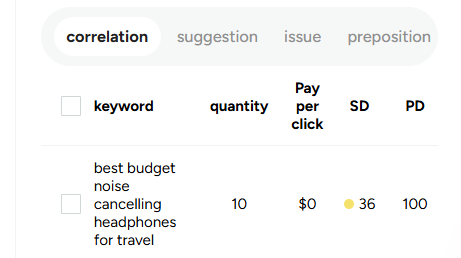
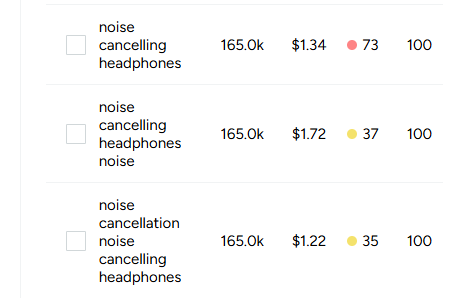
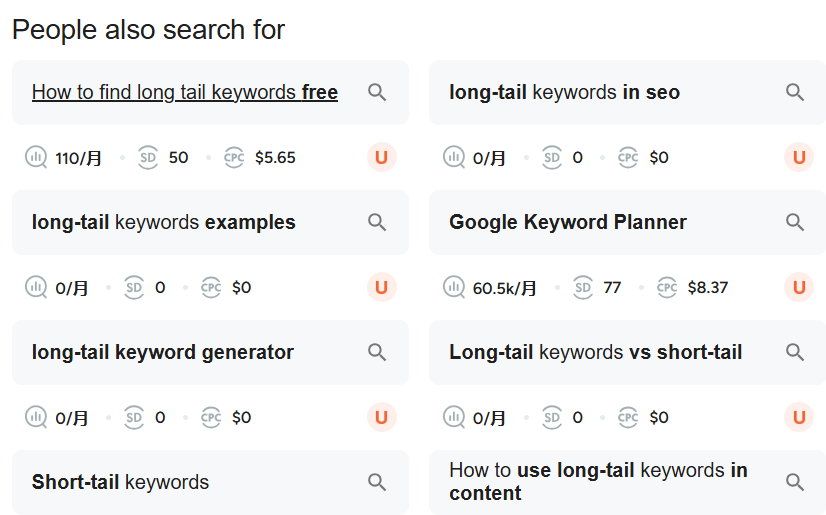
data from Ubersuggest free version, SD: Search Difficulty
Why Long-Tail Keywords Matter? (3 Benefits)
- Lower competition: Long-tail queries usually have lower Keyword Difficulty, making them easier for new sites to rank for.
- Higher conversion: Specific queries show clearer user intent (e.g., “best noise cancelling earbuds under $50”) — the visitors are closer to taking action.
- Cumulative traffic: Each long-tail term may bring little traffic, but covering many related terms leads to meaningful monthly visits.
How to Find Long-Tail Keywords? (A Simple and Free Workflow)
Step 1. Collect long-tail queries using free Google tools
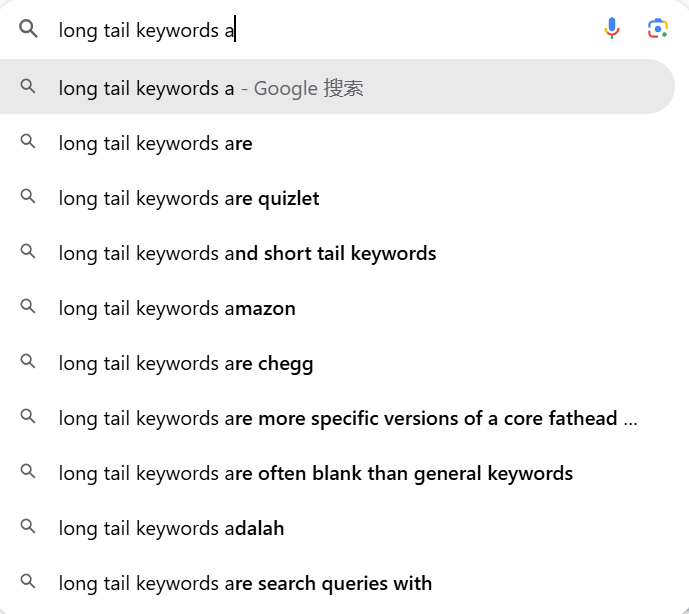
You can begin search with a head keyword and one letter, and Google will show a drop down menu which is the recently popular search for long tail phrases starting with that. Then you can go through each letter of the alphabet that way (even with a different platform like Amazon).
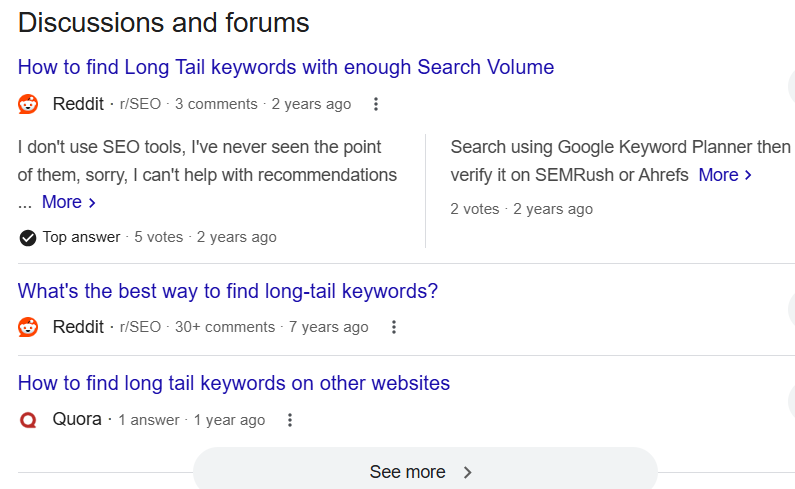
You will also find long-tail queries in “Discussions and forums” and “People also search for” Section at the bottom of the Google page. In the collection step, ignore those sound meaningless or irrelevant to your topics.
Step 2. Filter for long-tail keywords using Keyword Planner
If you open Keyword Planner from Chrome Extension, you are informed to buy a keyword everywhere plan…… But you can still reach a free version by owning a Google Ads account.
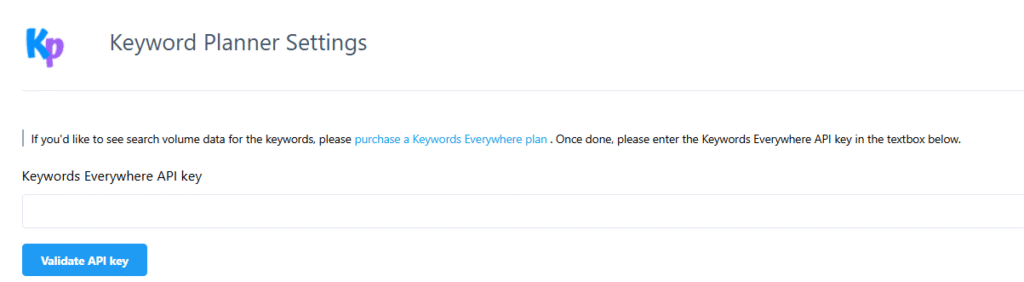
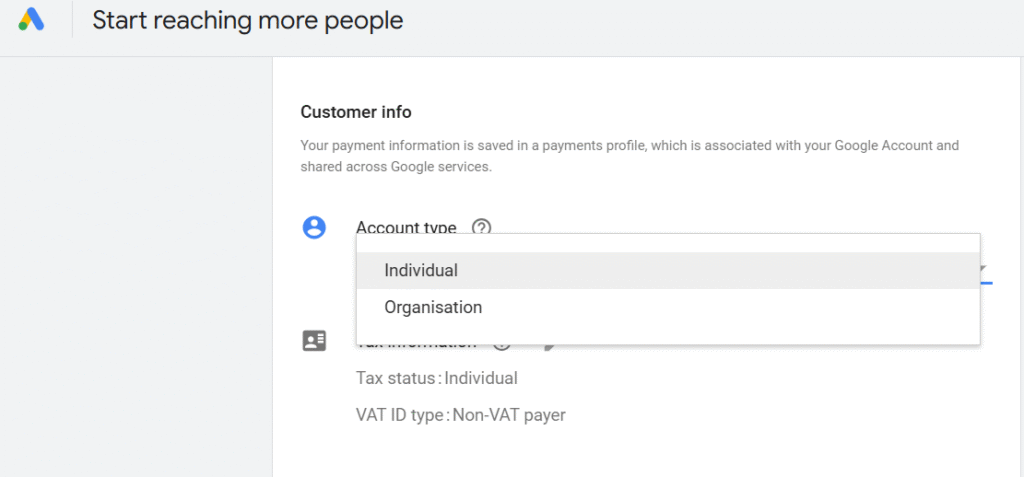
If you don’t have a Google Ads account already, you can sign up one in a few minutes. Remember to change the Account type to Individual which will be less info to fill in.
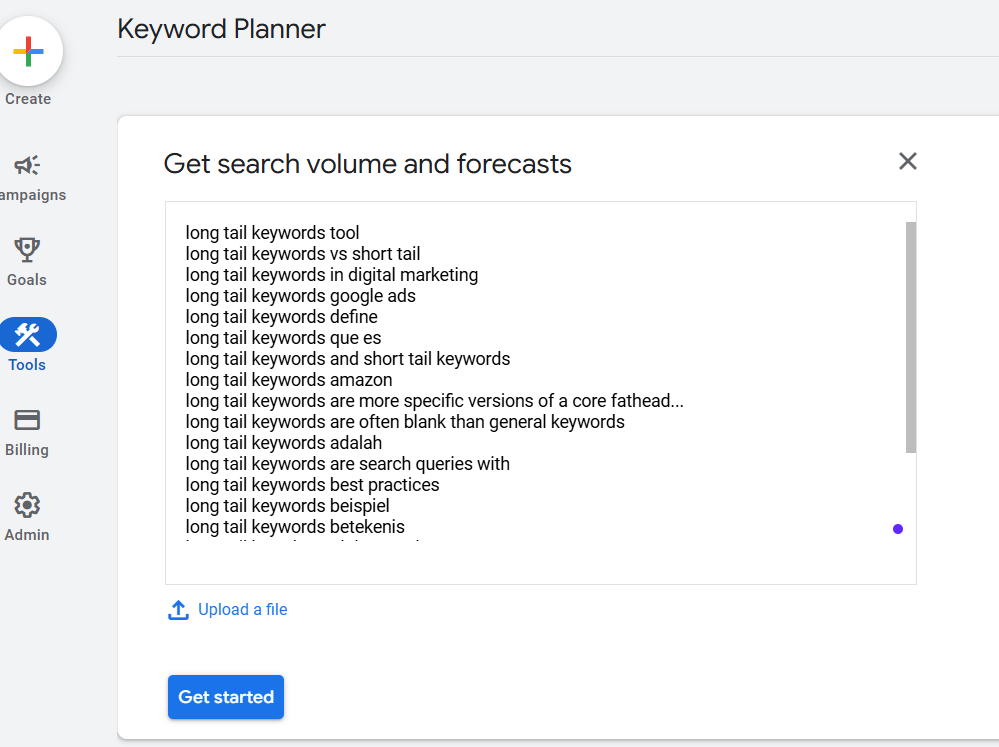
Click “Get search volume and forecasts” section of Keyword Planner and paste or upload the long-tail queries you have gathered from step 1. Choose those with Avg. monthly searches of 10-100 or more and add to your keywords list.
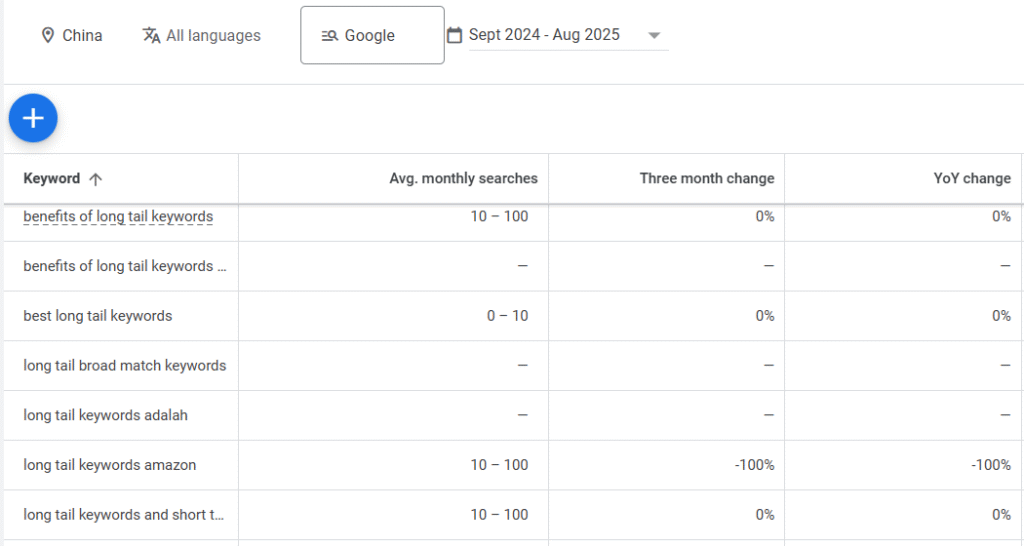
Additional way for long-tail keywords: using Ubersuggest free version
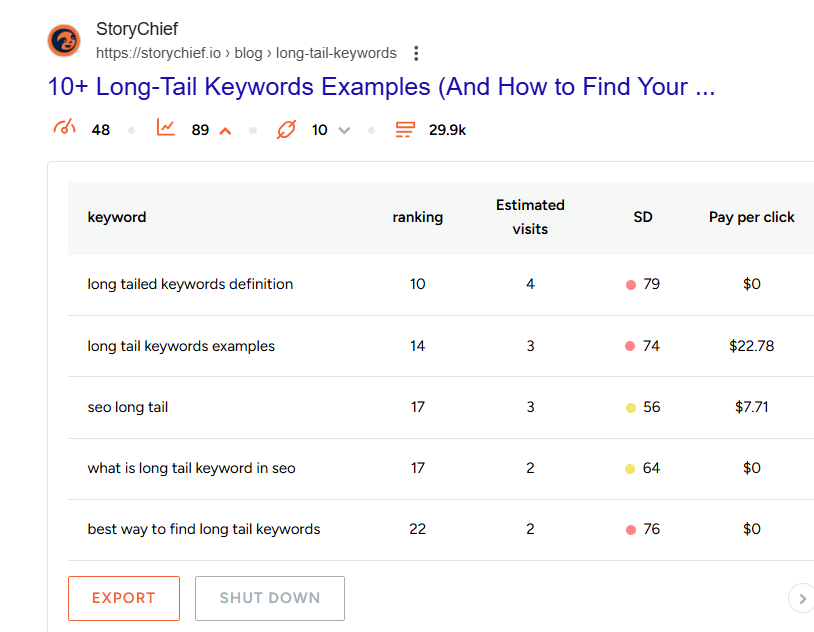
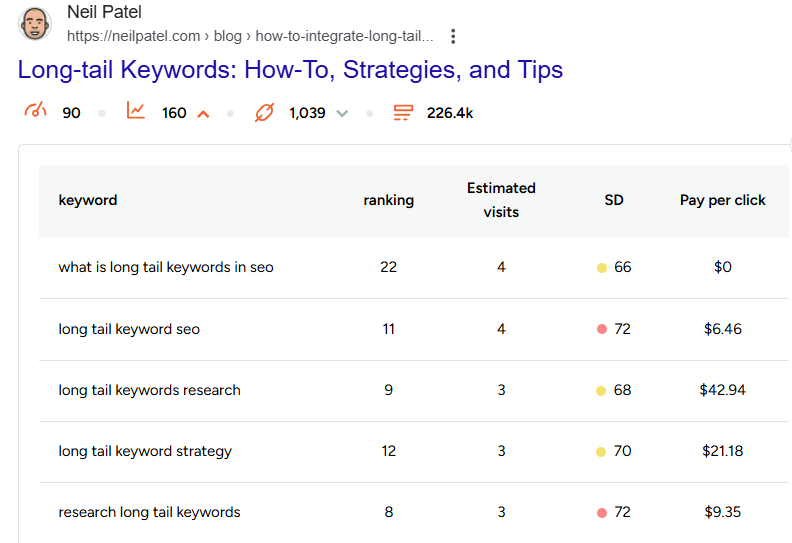
Make sure you have added Ubersuggest to your Chrome Extension and then begin with search. Ubersuggest will automatically show SEO data for each post on Google page. It’s suggested to pick up keywords with SD lower than 70.

FAQs about Long-Tail Keywords
1. Are long-tail keywords defined by their length in words?
Not exactly. The term “long tail” originates from the concept of a distribution curve where long-tail keywords represent the low-frequency, more specialized queries at the tail of the curve. So It’s not the length but the search volume of a keyword that makes it “long tail”.
2. Worth focusing on long-tail keywords for new blogs?
As a beginner, you usually need to start with long-tail keywords, which are the keywords with lower search volume in most niche fields, because they are relatively “easier” to obtain a ranking.
Final Thoughts
Long-tail keywords are a vital component of any SEO strategy, as they help websites tap into niche markets, increase the chances of conversion, and create more relevant and valuable content. Nowadays, Google may take several months to notice your website, let alone index and rank it. Over time, regardless of competition level, you should strive to cover the main topics to show Google that you have a certain “authority” in that field, because you have conducted in-depth research and covered all the main topics.
References
Long-tail Keywords: What They Are and How to Get Search Traffic From Them
Long-Tail Keywords: The Secret to Ranking Faster and Cheaper
1 thought on “Long-Tail Keywords: A Cheap Path to Get New Blogs Traffic”